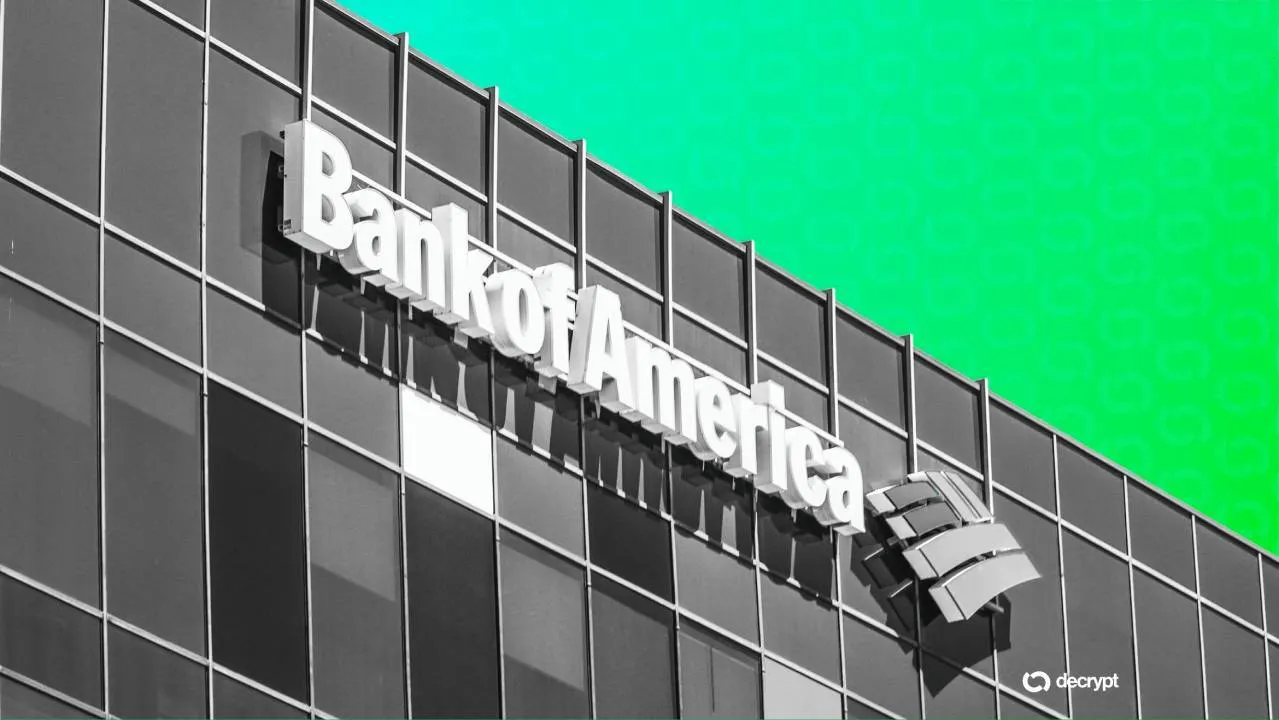
Curiosity-bearing stablecoins might take $6 trillion out of financial institution deposits in accordance with Financial institution of America’s CEO, who argued that small-to-medium-sized companies may very well be harm in consequence.
Brian Moynihan’s statements, citing knowledge from U.S. Treasury stories, come amid controversy about whether or not to permit amendments to the just lately delayed crypto invoice being debated by the Senate Banking Committee. The newest draft would prohibit idle stablecoins from bearing curiosity, like a checking account.
The draft laws, launched Monday, would ban corporations from providing yields on stablecoin deposits, until they’re granted attributable to actions similar to transactions, remittances, or membership in loyalty packages.
On a latest quarterly earnings name, Moynihan in contrast the monetary construction of stablecoins to that of a “cash market mutual fund,” the place deposited money is invested in low-risk, short-term debt securities like U.S. treasury payments. He argues this implies curiosity bearing stablecoins would subsequently “take lending capability out” of the normal banking system.
Moynihan mentioned BoA has advised Congress about its issues relating to how this is able to influence smaller firms. He highlighted how these smaller firms are typically extra more likely to be lent cash by way of banks, versus massive firms, which increase cash by way of capital markets, for instance, by way of an IPO.
The CEO predicted that funds shifting into stablecoins might in the end improve the price of borrowing. Moynihan mentioned banks are both “not going to have the ability to mortgage or they're going to should get wholesale funding,” including that this is able to improve the general value of borrowing. On this context, wholesale funding is cash for loans not derived from buyer deposits, for instance, from a Central Financial institution or capital markets.
Coinbase pushes again
Brian Armstrong, CEO of crypto trade Coinbase, has argued in the other way of the financial institution, together with his firm formally withdrawing assist for the invoice.
In a latest tweet, he accused the Senate of drafting amendments that “would kill rewards on stablecoins, permitting banks to ban their competitors.”
After reviewing the Senate Banking draft textual content over the past 48hrs, Coinbase sadly can’t assist the invoice as written.
There are too many points, together with:
– A defacto ban on tokenized equities
– DeFi prohibitions, giving the federal government limitless entry to your monetary…— Brian Armstrong (@brian_armstrong) January 14, 2026
Armstrong criticised quite a few different features of the invoice, together with restrictions on tokenized equities, and components which might improve authorities surveillance of crypto transfers.
“Crypto must be handled on a degree taking part in subject with the remainder of monetary providers so we will construct this business in a protected and trusted means in America,” mentioned Armstrong.
Radi El Haj, CEO at funds agency RS2, advised Decrypt that “regulation ought to give attention to danger administration and shopper safety” and “not on stopping competitors.” He predicts that banks will “must adapt their merchandise, pricing, and know-how stacks” to compete with stablecoins.
“If deposits migrate, it’s as a result of clients are responding rationally to higher worth and better flexibility.”